Unmatched Radon Mitigation Services in Ivywild

Reliable Radon Mitigation in Ivywild | Breathe Easy Solutions

Residents of Ivywild trust Breathe Easy Radon Solutions for effective radon protection. Our high-quality radon mitigation services ensure optimal safety and efficiency, led by certified professionals using advanced technology. Experience peace of mind with our reliable results.
  • Responsive Service
  • Personalized Solutions
  • Quick Turnaround
  • Trusted by Realtors
HEALTH AND SAFETY FIRST

Ivywild's Trusted Radon Mitigation Experts

In Ivywild, radon exposure is a significant health concern, influenced by geological conditions that elevate indoor radon levels. Breathe Easy Radon Solutions provides comprehensive mitigation services to protect your family's health and uphold your property's value. Our expert team conducts thorough evaluations and implements customized mitigation strategies using cutting-edge techniques. Reliable follow-through ensures reduced radon concentrations, guaranteeing long-lasting safety and satisfaction.

  • Certified Professionals: Experienced technicians with industry certifications
  • Speedy Quotes: Receive same-day estimates and service 
  • Affordable Solutions: Competitive and transparent pricing
  • Comprehensive Testing: Detailed evaluations for informed decisions
  • Innovative Technologies: Utilizes state-of-the-art equipment
RADON mitigation SOLUTIONS in Ivywild

ENSURE YOUR FAMILY'S SAFETY IN IVYWILD

In Ivywild, our dedication to exceptional customer service involves working closely with homeowners to accommodate specific needs and schedules. We provide seamless installations and ongoing support at competitive rates. Breathe Easy Radon Solutions remains committed to your family's safety and comfort, backed by extensive experience and a solid track record of success.

  • Expert Guidance: Aligned with leading radon safety standards
  • Customer Focused: Dedicated support throughout every project 
  • Proven Results: Trusted by local realtors and property managers
  • Safety Guarantee: Ensures radon levels meet optimal safety thresholds
  • Seamless Communication: Transparent and informative from start to finish
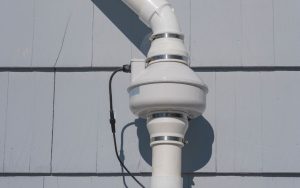
Certified Radon Mitigation Specialist Inspecting a Home in Colorado
Breathe Easy With Us

Why Choose Us

Trust Breathe Easy for superior radon mitigation in Ivywild—because your family deserves a safe home. 

Comprehensive Radon Mitigation Process

Client Testimonials

  • Breathe Easy team was great. They were quick, polite, and found an even more efficient way to install the system than originally thought.
    Matt Richards
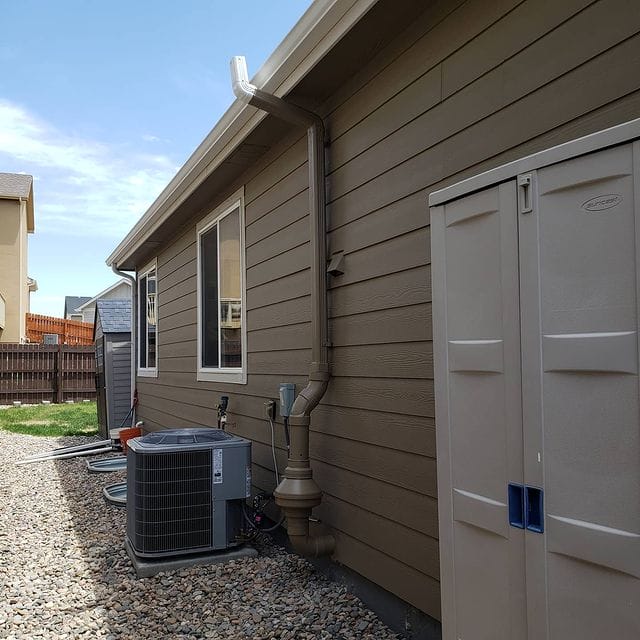
  • Absolutely excellent customer service! They went above and beyond to make sure the system worked well and blended in with the house. I highly recommend Breathe Easy to anyone needing radon mitigation.
    Lindsay Thayer
  • The Breathe Easy Radon crew did a professional installation and came back for some rework until the radon levels were well below the requirements. I’d definitely recommend them.
    Joanne Lucey

Frequently Asked Questions
about Radon Mitigation in Ivywild

Radon is most commonly found in the soil and rock beneath homes and buildings, where it forms naturally as uranium breaks down. Because it rises from the ground, the highest radon levels are typically found in basements, crawl spaces, and lower levels that are closest to the soil.

It’s also commonly found in:

  • Areas with uranium-rich soil – states like Iowa, Colorado, Pennsylvania, and much of the Midwest and Appalachia have especially high levels.
  • Homes with poor ventilation or tight construction, where radon can accumulate more easily.
  • Well water, especially from deep underground sources, where radon can dissolve and then be released into the air during use.

In short, radon is most common underground and in the lower parts of homes, but any home (old, new, big, or small) can have high levels. Testing is the only way to know for sure.

Radon is dangerous because it’s a radioactive gas that damages lung tissue when you breathe it in. As radon decays, it releases tiny radioactive particles. These particles get trapped in your lungs, where they continue to break down and release bursts of radiation. Over time, this radiation can harm the cells lining your lungs and lead to lung cancer.

What makes radon especially risky is that you can’t see, smell, or taste it. It doesn’t cause headaches, make you feel sick, or trigger allergies. Instead, the danger builds slowly and silently. Radon is the second leading cause of lung cancer after smoking – and the #1 cause for non-smokers.

So while radon doesn’t cause immediate symptoms, its long-term effect on the lungs is what makes it truly dangerous. Testing and mitigation are key to staying safe.

Yes, HVAC changes can influence radon levels more than most people realize. When you switch between heating and cooling, you’re also shifting how air moves through the home. Heating typically increases the stack effect (warm air rises and escapes), pulling more air from the ground to replace it. Cooling, especially with central air, redistributes air through duct systems that may create subtle pressure imbalances.

Even switching from one HVAC system to another (like upgrading to a high-efficiency furnace or adding a mini-split) can change internal airflow enough to alter radon entry patterns. These changes aren’t inherently bad—they simply mean that anytime you make a major adjustment to how your home circulates air, it’s wise to re-test radon to confirm levels remain stable.

Not typically as a symptom-driven concern, but it is something worth mentioning during routine health discussions, especially if you’ve lived in a high-radon home. Because radon exposure takes years to show its effects, early communication with your healthcare provider helps them understand your long-term risk profile.

Doctors can’t test for radon-related damage directly, but they can:

  • Monitor your lung health more closely
  • Offer targeted screenings if you have additional risk factors (like smoking history)
  • Provide guidance on respiratory health and prevention

In other words, radon exposure isn’t a medical emergency, but it is a preventative care conversation.

Often, yes. Nighttime tends to be the perfect recipe for elevated radon: windows are closed, temperatures drop, and HVAC systems cycle differently. Cooler nighttime temperatures often increase negative pressure inside the home, meaning the house is pulling more air from the soil. Soil temperature changes overnight can also alter how gases move through the ground.

This doesn’t mean nights are dangerous. It just means radon has a natural rhythm, and nighttime can amplify the conditions that bring more of it indoors. This is one reason long-term tests provide the most reliable picture of what your home experiences around the clock.

No, not in any meaningful way. Houseplants are wonderful for aesthetics and can improve air freshness by filtering certain pollutants, but radon gas is far too small and chemically inert for plants to absorb or neutralize. Even an indoor jungle won’t make a dent in radon levels.

However, plants can indicate if your home has humidity issues or stagnant air (conditions sometimes related to radon entry), but they don’t affect radon itself. Mitigation remains the only effective strategy for reducing radon concentration.

Yes. Radon’s risk is cumulative (it builds with long-term exposure), so lifestyle and age play meaningful roles.

Children, for example, have developing lungs and breathe faster, increasing the amount of radon they take in relative to their size. Adults who spend a significant amount of time in lower levels, like finished basements or home offices, are exposed to more radon simply because of where they spend their hours.

Smokers and former smokers face a much higher risk because radon and tobacco create a compounding effect on lung tissue. In short, radon affects everyone, but personal habits and life stages shape how quickly that risk adds up.

Addressing Radon Risks in Ivywild

Ivywild’s unique geological makeup can contribute to higher radon levels, necessitating regular testing and effective mitigation solutions to maintain safe indoor environments.

Areas Prone to Elevated Radon Levels

Homes located in valley regions or near natural outcrops in Ivywild may have increased radon risks. Consistent monitoring and effective mitigation are essential for these locations.

Community Outreach and Resources

Ivywild actively promotes radon awareness through various educational programs and resources to assist residents with testing and mitigation. These efforts are crucial in ensuring community health and safety.

Demonstrating Excellence in Radon Services
Your Gateway to Radon Knowledge

Tap into a wealth of information about radon, its risks, and the best mitigation practices through our comprehensive resources. With our expert-backed guides, you are better informed to protect your home and family.
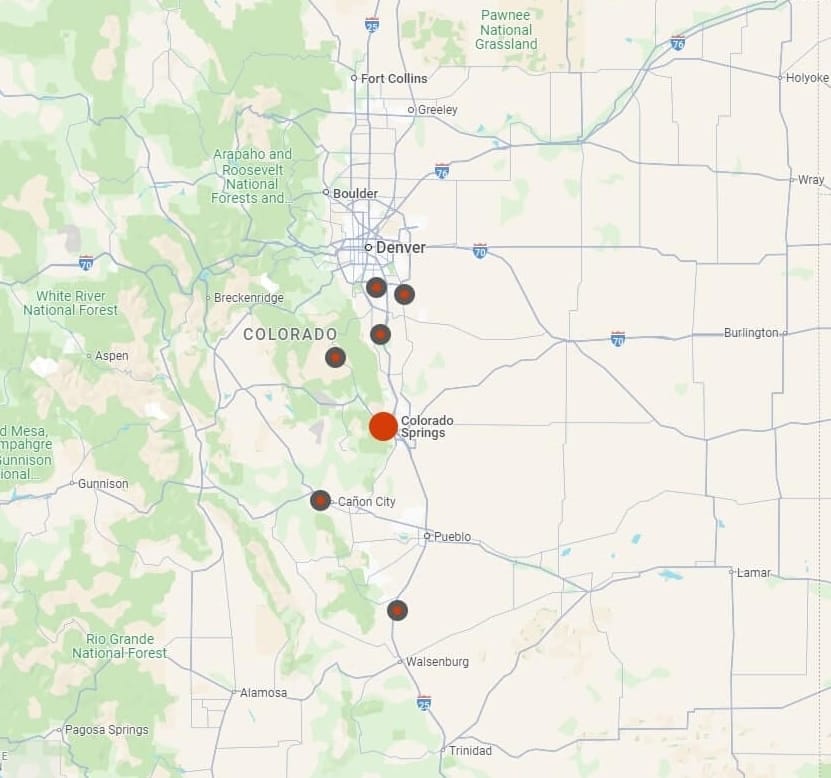
Map Showing Locations in Colorado Area
Your Local Experts 

Service Areas across Colorado

Breathe Easy is dedicated to providing top-notch radon, crawlspace encapsulation, and vapor intrusion services to residential and commercial clients throughout Colorado. We serve multiple regions, including El Paso and Colorado Springs, catering to a wide customer base. We understand the unique challenges posed by Colorado’s geology and climate and tailor our solutions to meet the specific requirements of each area we serve. 

Ready to Breathe Easy? Act Now for Safer Home Environments 

Protect your home and family in Ivywild with Breathe Easy’s trusted radon mitigation. Our qualified professionals, valuable customer service, and cutting-edge solutions guarantee lower radon levels and peace of mind. Act today and secure your home’s safety for the future!